
Turkish Airlines × Maximum Foodie
The airline didn't sponsor the episode. It was the first act of it.
Sashi De flew Turkish Airlines' flagship Airbus A350-900 from Manila to Istanbul — and the flight became the opening of an episode built around the food, cities and landscapes of Türkiye.
Every travel show starts with an arrival. Almost none of them show you the journey — the aircraft is a cut, a map line, a fade to the taxi rank. Which is strange, because for the traveller the journey is where the destination actually begins.
So we started earlier. Maximum Foodie's Türkiye episode opens where the trip opens: on board Turkish Airlines' flagship Airbus A350-900, out of Manila, bound for Istanbul. Not an interstitial. Not a pre-roll. The first act.
A brand integration succeeds or fails on one question: would the scene still be there if the brand weren't paying for it?
Here the answer is yes. Sashi genuinely flew that route to reach that destination, and the flight genuinely is how a viewer in Manila or Singapore would get to Istanbul. The airline is not interrupting the story — it is carrying it. Cabin, service and the long haul east-to-west read as the beginning of a journey rather than as an advertisement inserted into one.
That distinction is the whole product. Audiences skip advertising and stay for narrative. Turkish Airlines appears in the part of the programme nobody fast-forwards.
Istanbul is one of the few cities on earth that can carry a food series on its own — a place where breakfast is an institution, the spice trade never really ended, and two continents argue over the same table. Türkiye gives the episode range: the street food and the fine dining, the market and the fishing boat, the Ottoman kitchen and the room that opened last year.
For an airline whose proposition is reach, that is the ideal canvas. The destination sells the route, and the route delivers the destination — in the same hour of television, told by the same voice.
Maximum Foodie is not a one-off branded film. It is an SD Media-owned format across six delivered seasons and 59 episodes, licensed by Discovery, HBO Max, Asian Food Network, InsightTV and Samsung TV+, and sold into 60+ territories — with Season 7 in production.
That is the difference between a campaign asset and a programme. A branded film needs a media buy to find an audience. An episode of a returnable series arrives with the audience already attached, on channels that acquired it because they wanted it — and it keeps airing long after a campaign flight would have ended.
- Carried by
- Maximum Foodie · 6 seasons · 59 × 30′ · 4K
- Licensed by
- Discovery · HBO Max · Asian Food Network · InsightTV · Samsung TV+
- Territories
- 60+
- Integration
- Narrative, in-programme — not advertising inventory
This is the shape of every brand and destination partnership we take on. The brand funds an episode of a format that already has a licensed audience. We write the brand into the story where it belongs and nowhere it doesn't. The programme is made to broadcast specification and distributed through Off the Fence and InsightTV.
An agency delivers you a film. We deliver you a film and the channels it airs on.
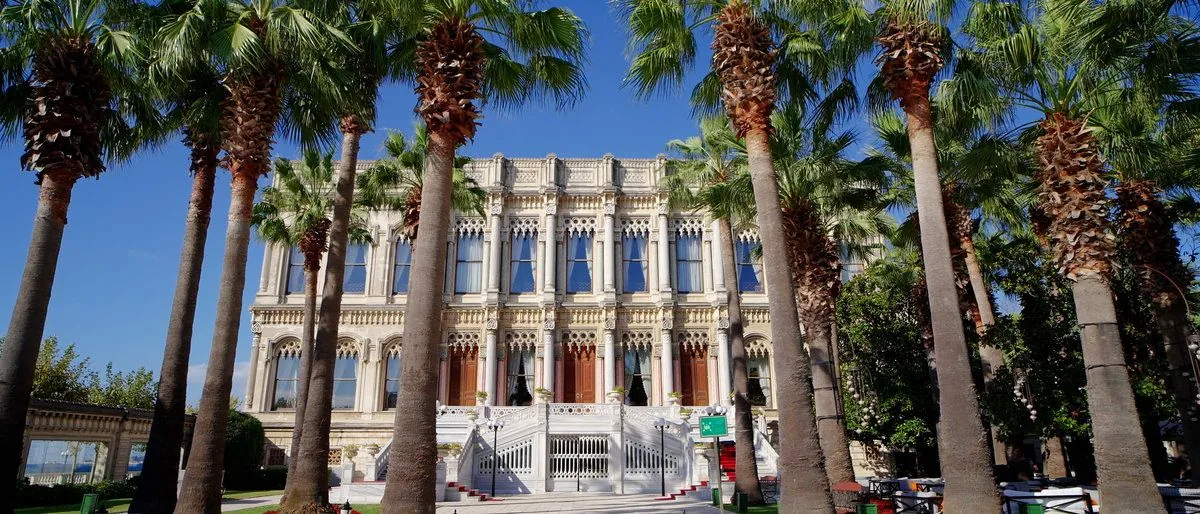
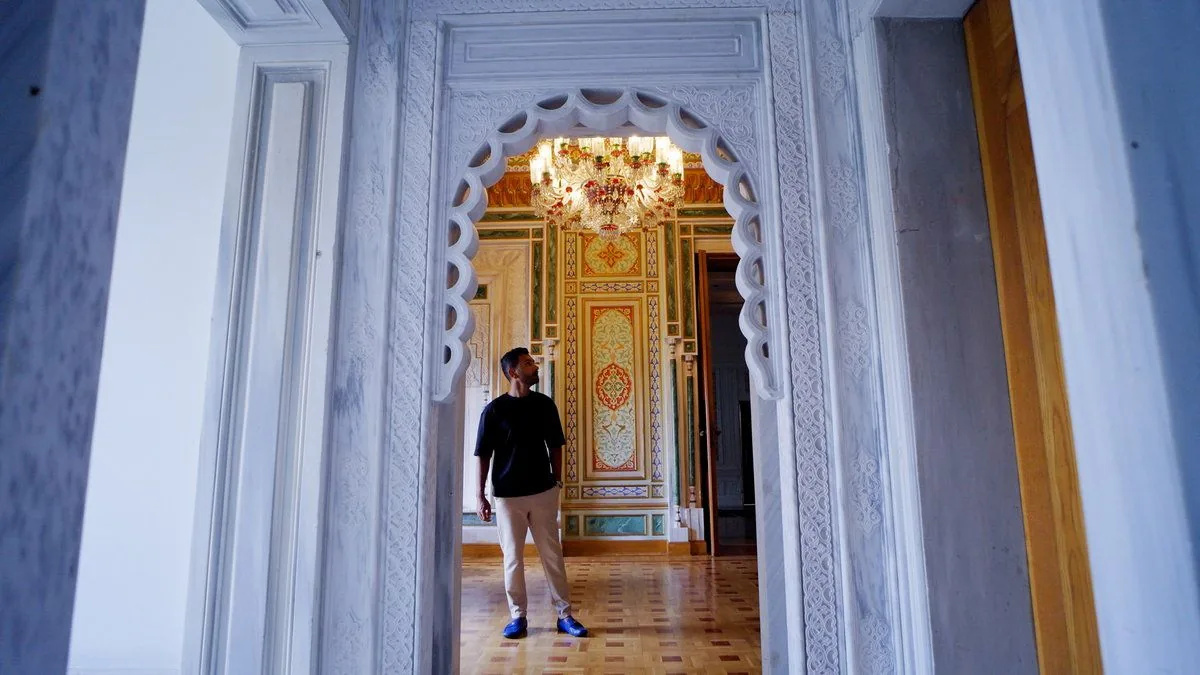
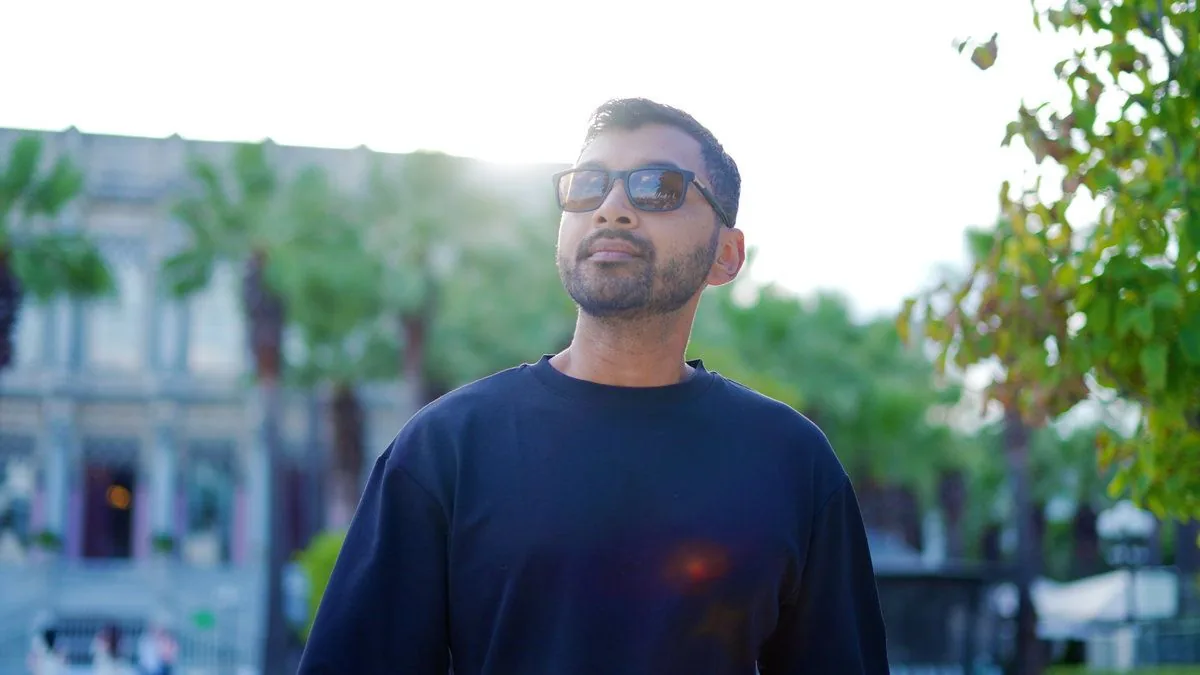
Maximum Foodie — six seasons and counting, 60+ territories
Fund a series, not a video.
An agency delivers you a film. We deliver you a film and the channels it airs on — built to broadcast specification, distributed through Off the Fence and InsightTV.