
Optimus
The world’s first remotely operated commercial ship — and the communications problem that came with it. From the quayside, it looked like nothing had happened.
Three organisations, one world first. Rolls-Royce Marine had built the ship-intelligence systems. Svitzer operated the vessel. Maersk owned Svitzer. Each had its own communications function, its own trade press, its own internal and recruitment audiences — and each needed to be seen to own the milestone.
One production had to serve all three without becoming a compromise that served none.
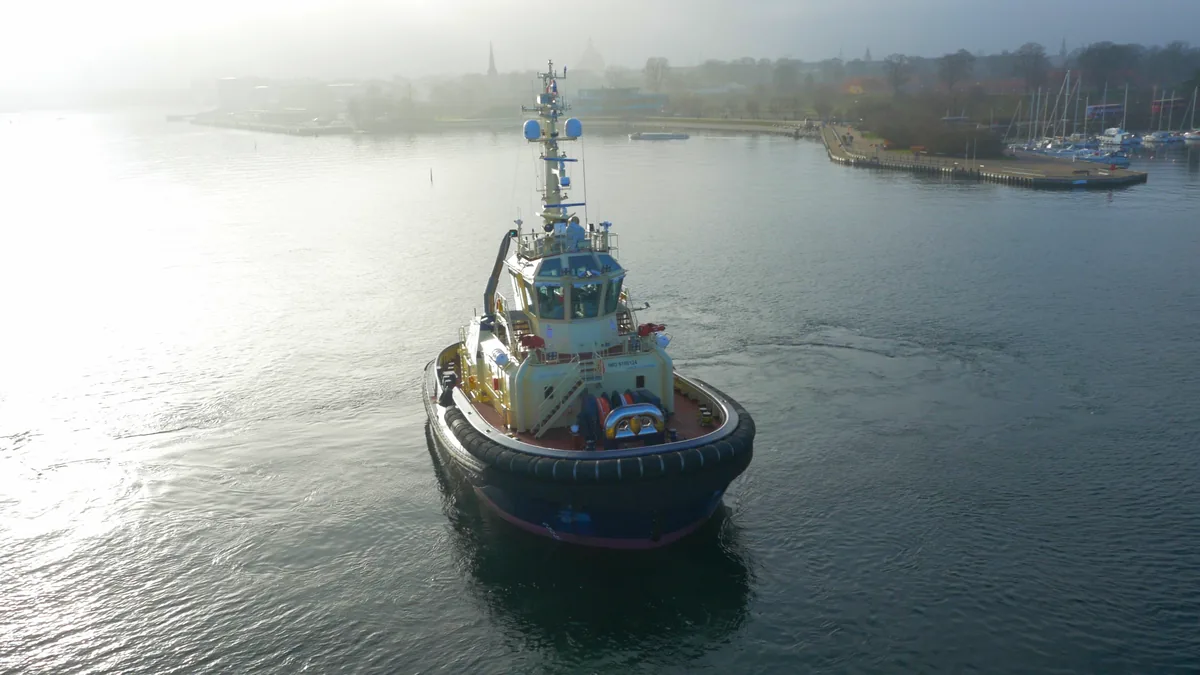
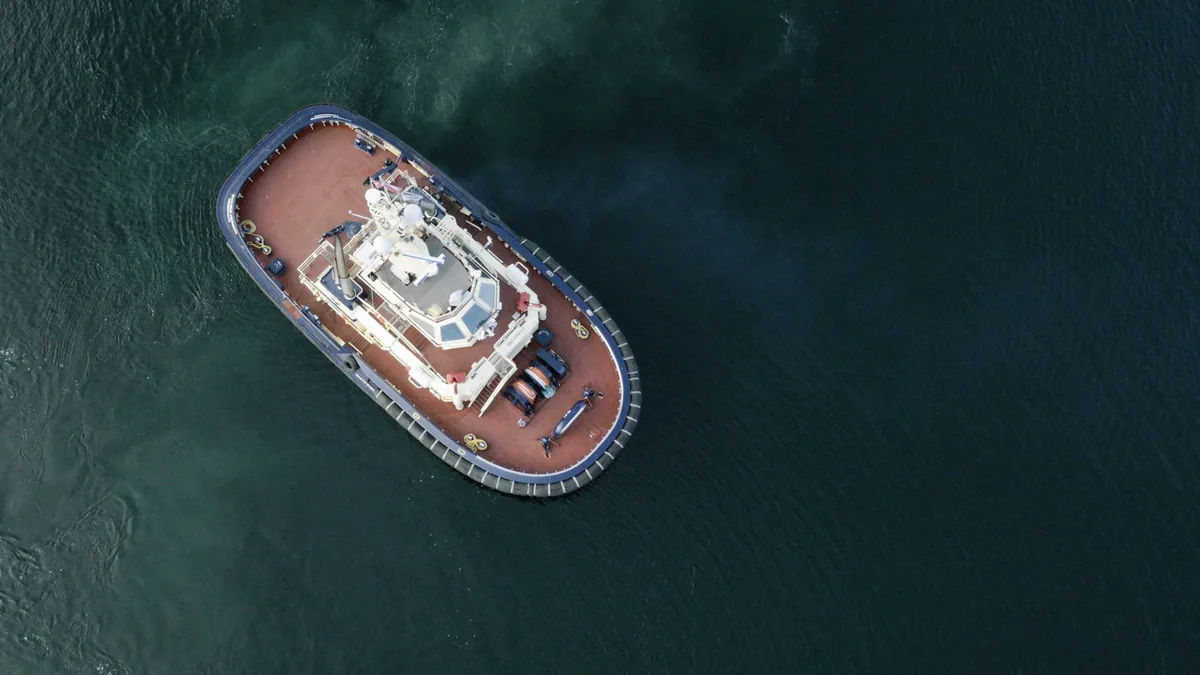
The story was invisible. A 28-metre harbour tug was berthed alongside a quay, undocked, turned through 360 degrees, piloted across Copenhagen harbour and docked again. To a camera on the quayside, that is a tug doing exactly what tugs do.
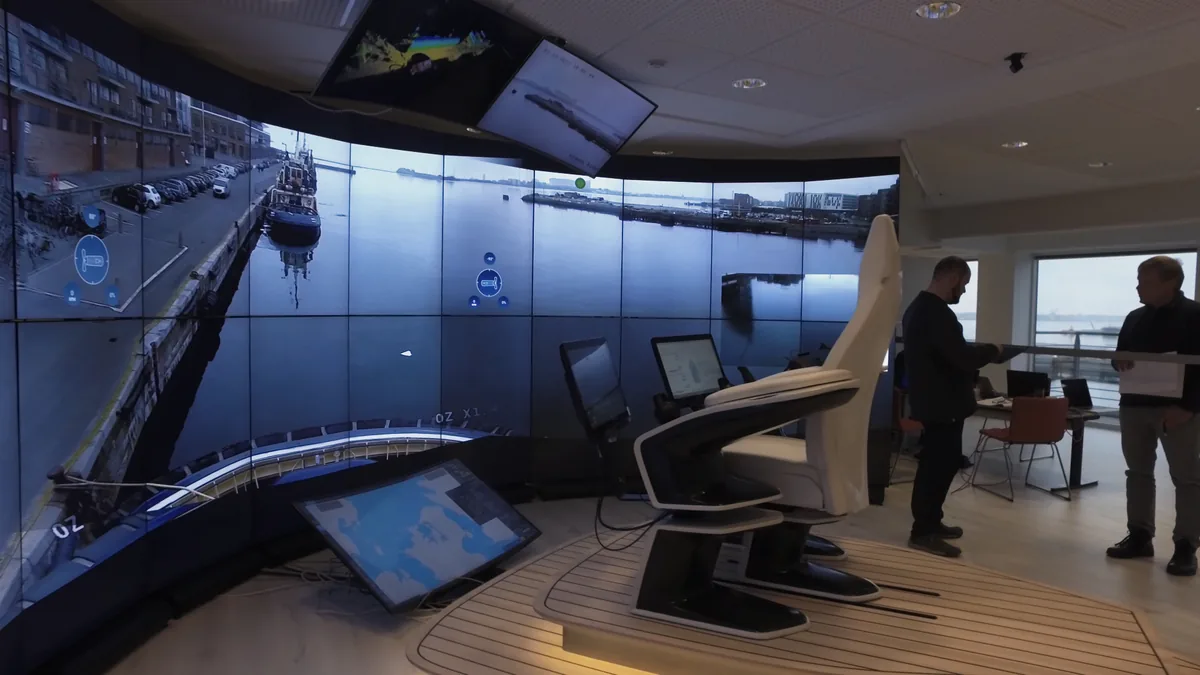
The news was an absence: nobody aboard was steering. The captain was sitting in an office at Svitzer headquarters. And correct engineering practice made the pictures worse — a fully qualified captain and crew stayed on board throughout as a failsafe, so every frame shot from the water shows a crewed vessel behaving normally.
A film built on the water could not carry the claim. It would have needed a voiceover to tell the audience what they were failing to see.
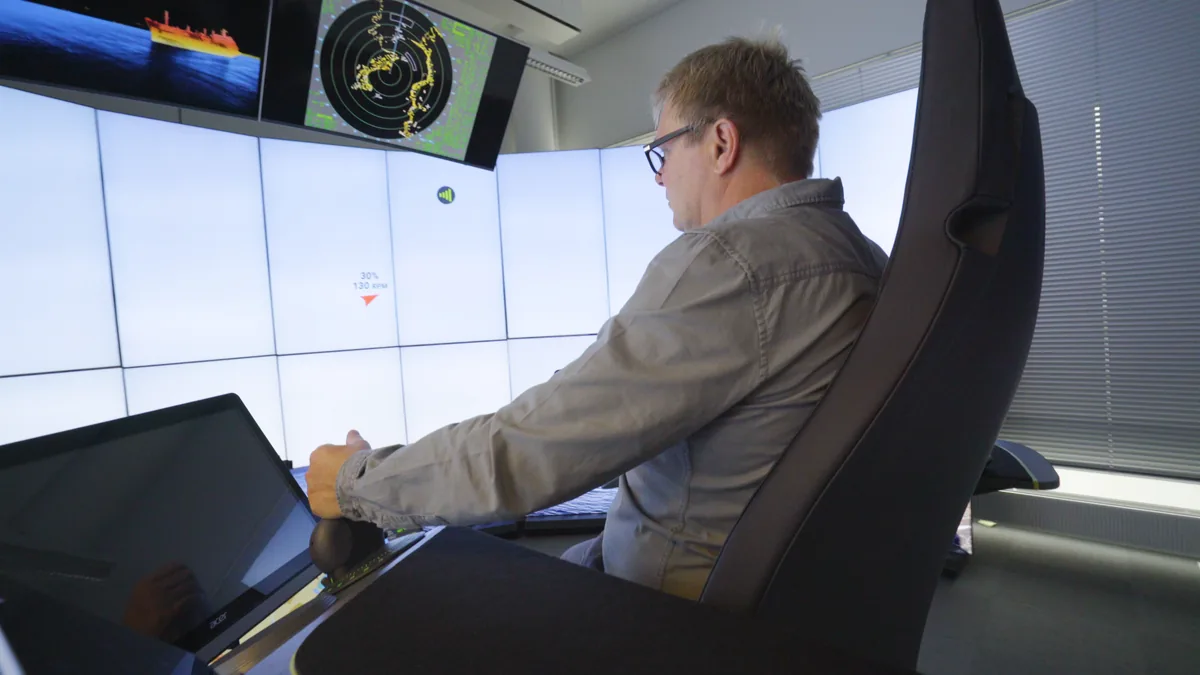
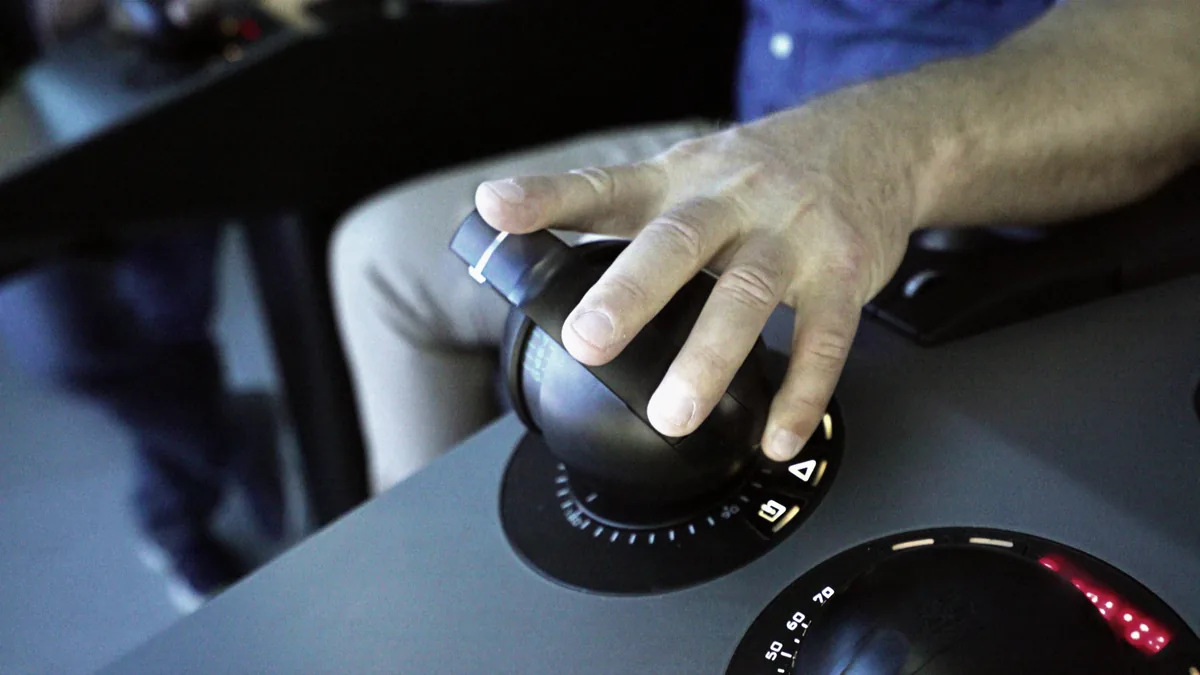
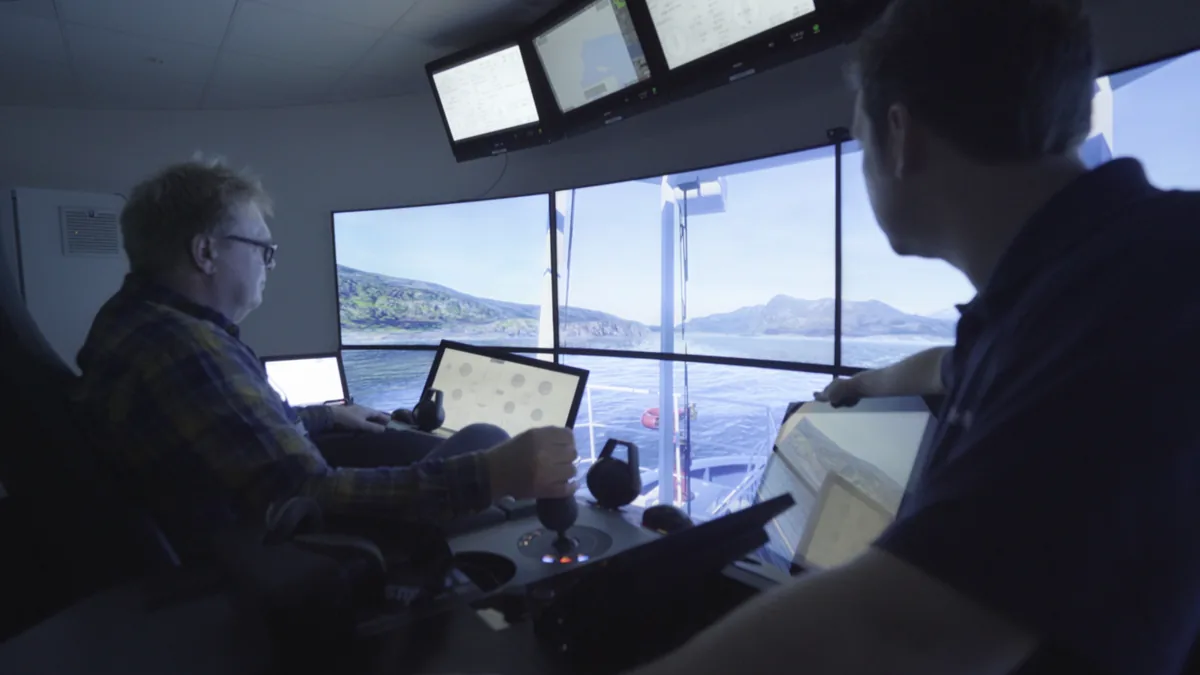
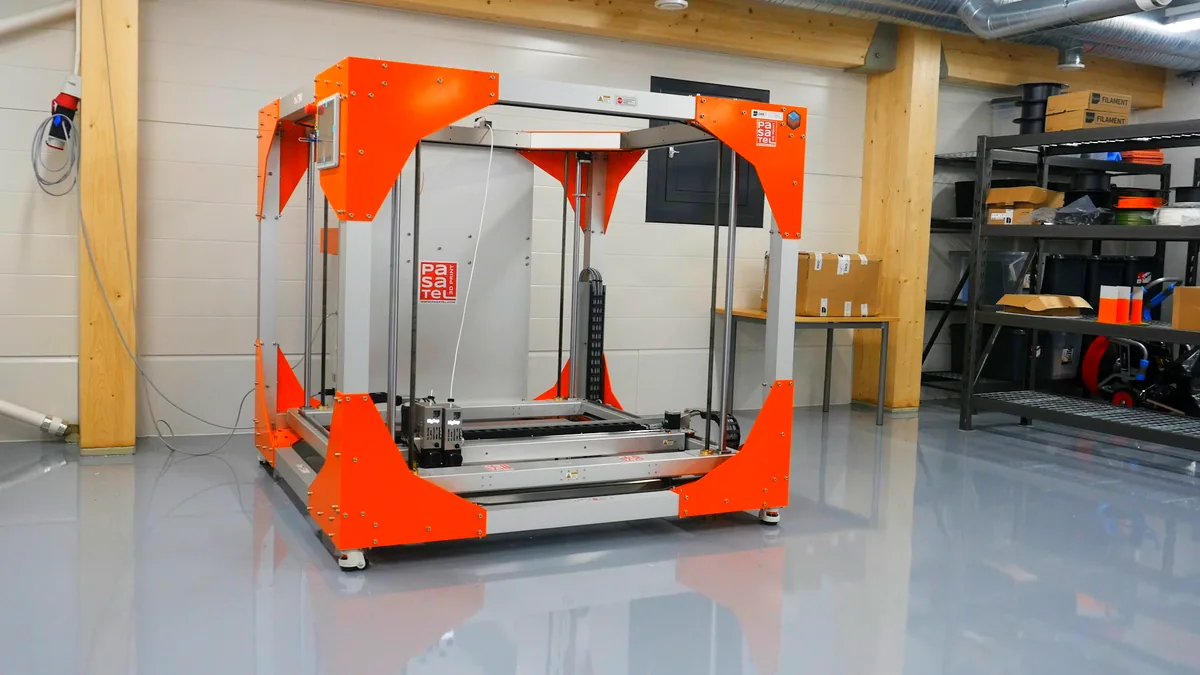
We built the narrative where the authority actually sat. The remote operations centre. The hand on the azimuth control. The simulator hours and the prototyping bench where the thing was argued into existence. Only then the vessel from the air — because by that point the audience knows what an empty wheelhouse means, and the shot lands as proof rather than as scenery.
The second decision was geographic. Rather than cover the demonstration alone, we followed the chain of custody: built in Türkiye, developed and rehearsed in Finland, proven in Denmark. One senior unit travelled the whole chain instead of three local crews working to a shot list. The people on screen recur, the hands match, and the result reads as one story rather than three press releases cut together.
- Territories
- Türkiye · Finland · Denmark
- Crew model
- One senior travelling unit
- Stakeholders
- Three communications functions, one edit
- Access
- Live engineering programme · R&D facility · harbour demonstration
Optimus is the project we point to when a communications team asks how a technical milestone becomes something an audience can actually follow. Four things transfer:
- Shoot the process, not the announcement. When several parties each need to own a milestone, a film built around visible decision-making lets each contribution be self-evident on screen — instead of being negotiated line by line in the edit.
- One production, several newsrooms. Hero film, cutdowns, stills and clean B-roll were specified before the first travel day, so each communications function could serve its own channels without commissioning a second shoot.
- On a genuine first, earned coverage does the work of a media buy. A verified world first, documented to broadcast specification, travels through trade and mainstream press on its merits. The money goes into the asset rather than into distribution.
- The liability question is the real one. What a corporate client most needs to believe is that a broadcast crew can be embedded in a live, commercially sensitive engineering programme, across three borders, without slowing it down or leaking it.
Optimus established the working relationship inside the maritime and logistics sector that later produced Titan. It is also the clearest answer we have to the question every brand strategist asks first: SD Media’s work runs from network commissions to corporate films, and the constant across both is not the kit or the budget. It is being able to find the story inside something that, on the day, looks like nothing much happening.
Titan — the same model, built as a returnable series
Broadcast crews, corporate environments.
We bring network television production experience to corporate storytelling — and hold the same delivery standard.